
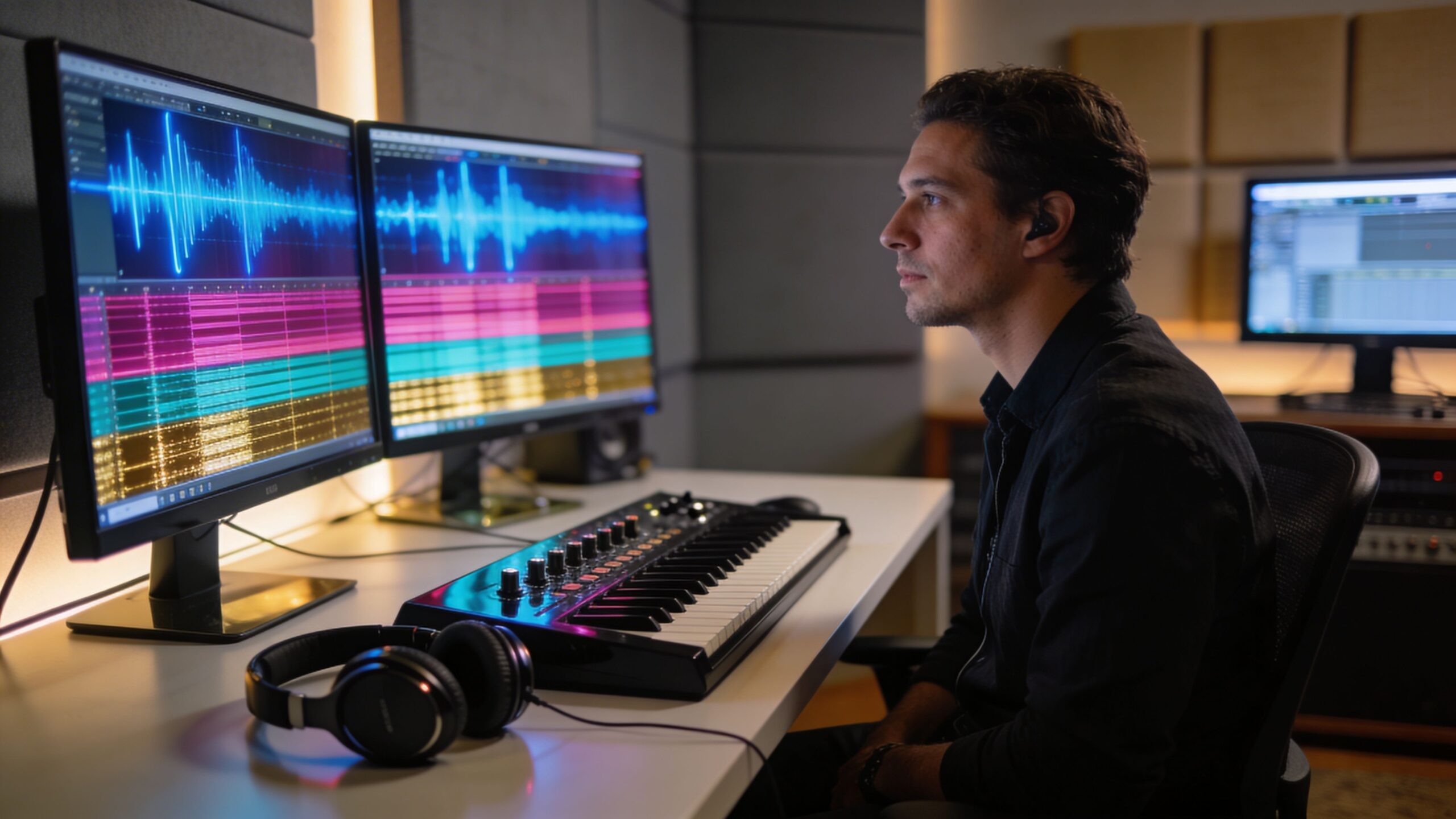
Music has always been a conversation between imagination and technology—and now a new voice has entered the studio. AI-Created Music explores the rising world of songs composed, arranged, and even performed by intelligent systems that learn patterns from sound itself. From cinematic orchestras generated in seconds to lo-fi beats that evolve in real time, AI is turning musical creation into something faster, stranger, and wildly more accessible. But this isn’t just about pressing a button and getting a track. It’s about collaboration: humans shaping mood, meaning, and style while algorithms offer endless variations, unexpected harmonies, and fresh sonic textures. As models get better at melody, rhythm, timbre, and structure, musicians are using AI like a new instrument—one that can improvise, remix, and prototype at lightning speed. At the same time, AI-made music raises big questions about authorship, originality, and the future of creative labor. Who is the composer when the machine writes the chorus? What happens to genres when new ones can be generated overnight? In this Singularity Streets section, you’ll explore the tools, debates, and breakthroughs shaping the sound of tomorrow.
A: Music generated or assisted by AI systems that model patterns in audio, notes, or lyrics.
A: Yes—if it produces meaningful sound, though authorship debates remain.
A: Not necessarily; prompts and editing tools can handle much of the process.
A: It depends on the tool’s license and the rights status of inputs and outputs.
A: Generate options, then curate, edit, and add human intent and structure.
A: It can approximate styles, which raises consent and legal concerns.
A: More likely it will change workflows—some roles shrink, others expand.
A: Use specific constraints (instrumentation, era, harmony, texture) and iterate.
A: Use consent-first tools and avoid impersonation without permission.
A: Real-time adaptive tracks, better provenance, and tighter ethical standards.