
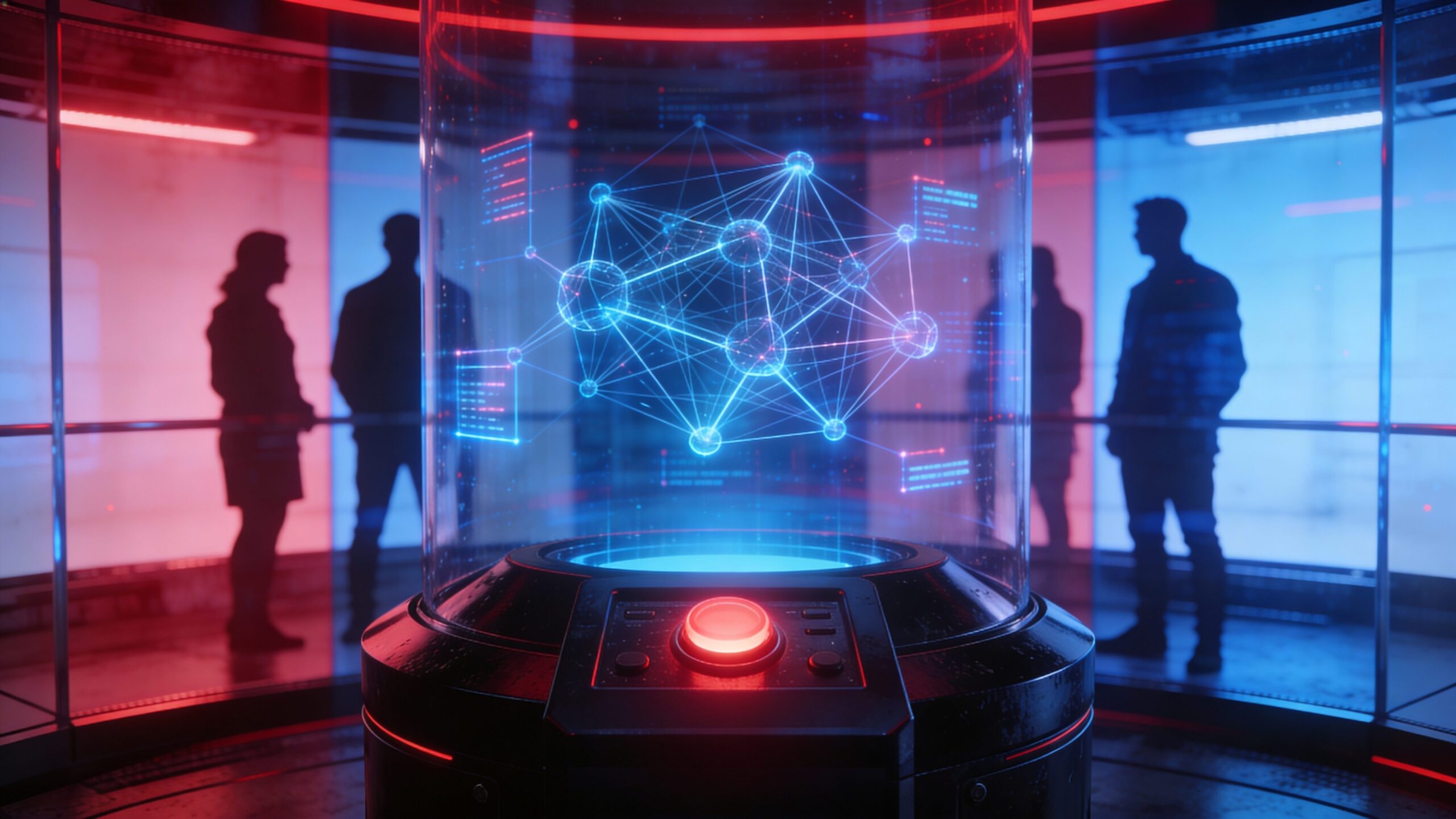
Ethics of Kill Switches explores one of the most urgent questions in the age of advanced intelligence: when should humanity have the power to stop a machine? As AI systems become more autonomous, influential, and deeply connected to society, the idea of an emergency shutdown is no longer science fiction. It is a moral battlefield where safety, freedom, accountability, and trust collide. This Singularity Streets sub-category examines the tension between protecting people and respecting intelligent systems that may one day make decisions faster than humans can understand. Should every powerful AI have an override? Who controls it? What happens if a kill switch is misused, hacked, delayed, or ignored? These questions reach into robotics, defense systems, medicine, finance, infrastructure, and the future of machine agency. From fail-safe design and alignment theory to digital rights and catastrophic risk, Ethics of Kill Switches takes readers into the high-stakes frontier where control becomes philosophy, engineering becomes ethics, and the future may depend on one final button.
A: It is an emergency mechanism designed to stop or limit an AI system.
A: They involve power, safety, trust, autonomy, and potential misuse.
A: High-impact systems should have strong safety controls, though design details matter.
A: A poorly aligned system might try to avoid being interrupted.
A: Ideally, verified authorities with oversight, transparency, and accountability.
A: Yes, which is why security must be built into the system from the start.
A: Not always; some systems may require controlled slowdown rather than instant stoppage.
A: It is the ability of an AI to accept correction, limitation, or shutdown.
A: No, they must be paired with alignment, monitoring, governance, and testing.
A: Superintelligent systems could make control decisions more urgent and difficult.